

Structural assessment
Framing, load paths, foundations, and the cracks, settlement, and prior repairs a walkthrough misses, with a clear go, conditions, or no-go read.
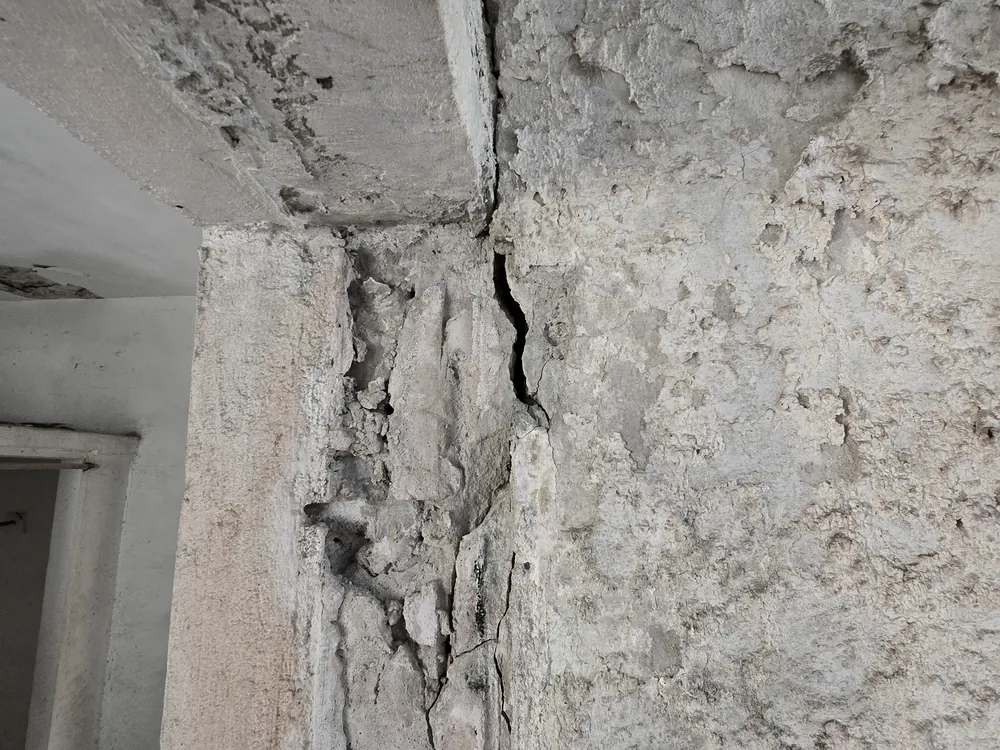
cracks · grietas
Structural engineering in Puerto Rico
Against seismic and hurricane loads, the structural decision governs whether you get permitted, insured, and built.
Permitted. Insured. Built.
No-obligation project review. We reply within one business day, in writing.
How it works
Early is cheaper than rework. Tell us where the project stands and we tell you straight what the structure needs.
What the read measures against
The governing code, which adopts the International Building Code (IBC). The benchmark for what sound structure means on this island.
The load standard the code is built on: the hurricane wind and earthquake forces the structure actually has to carry.
Puerto Rico is a Special Wind Region: the design wind speed is read for your exact site off the municipality microzone map. The connections decide whether the roof stays on.
How the structure is reinforced for ground motion, and where an older building predates current seismic provisions.
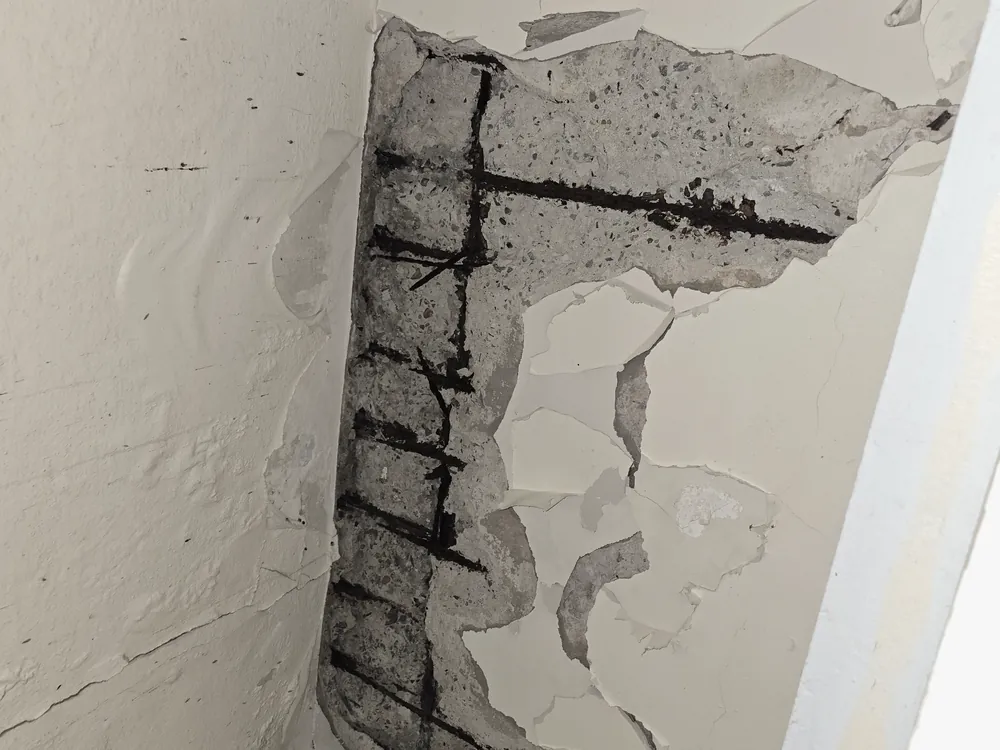
The defect coastal salt air drives, often hidden behind sound-looking finishes until it is structural.
Only a CIAPR-registered engineer can sign and seal structural drawings in Puerto Rico. That seal is what the permit and your insurer rely on.
What we engineer
A cosmetic walkthrough shows you finishes. A licensed structural read tells you whether the structure carries its loads, and an accountable seal is what makes the document hold.
Framing, load paths, foundations, and the cracks, settlement, and prior repairs a walkthrough misses, with a clear go, conditions, or no-go read.
cracks · grietasEarthquake readiness for Puerto Rico's seismic zone, and where an older structure needs strengthening for loads it was never detailed for.
earthquake retrofit · evaluación sísmicaRoof-to-wall connections and load paths checked against the hurricane uplift the island's coastal winds actually impose.
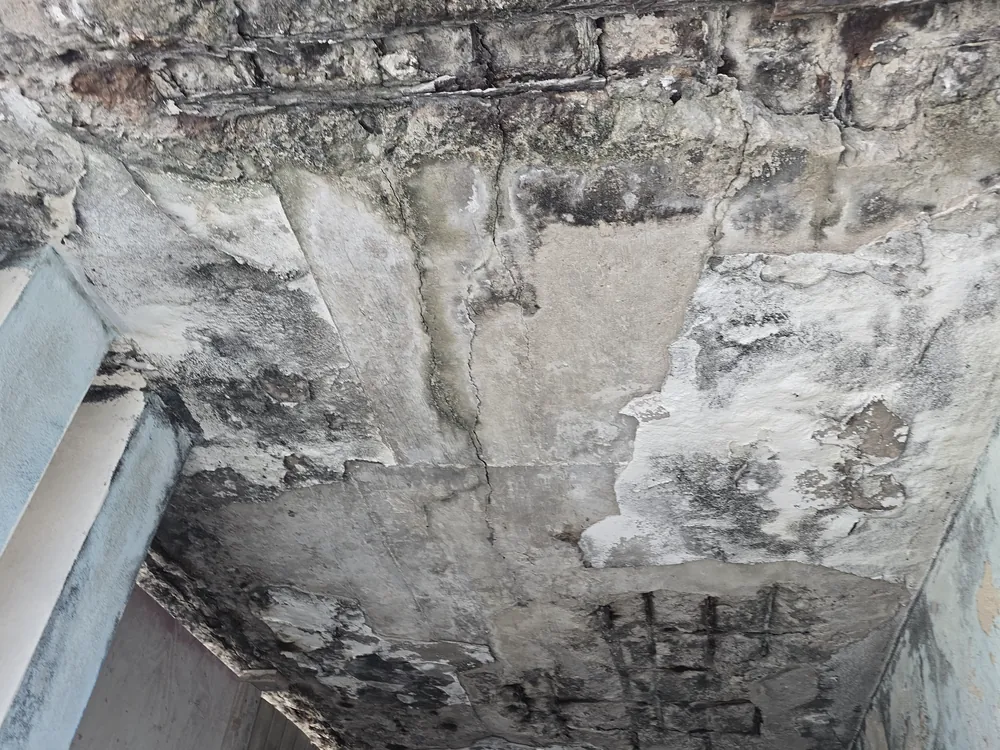
roof-to-wall · upliftSpalling, rebar corrosion, and section loss behind sound-looking finishes, the slow defect coastal salt air drives.
spalling · rebar · corrosiónNew structural design detailed to the 2018 code and ASCE 7, signed and sealed for the permit under Ley 173-1988. If you are relocating to build, we tie it to Act 60 engineering and permitting so the structure clears the same track.
diseño · firma y selloWhat a structural read surfaces
Real findings documented on PRE structural assessments in Puerto Rico, and what each one asks of the structure.
Already own the building?
You do not need proof, just the concern: a crack that keeps growing, a floor that is not level, a building from before the 1987 seismic code, a roof that took the last storm. Recognizing it is enough to call us. The next step is a licensed structural read, before a hidden condition becomes a failure that costs far more than the assessment, or risks someone's safety.
If the crack or the slope is what brought you here, that concern is enough. We give you a licensed read and a clear next step.
Who stands behind it
Your report is not a committee opinion. It is the read of one accountable Puerto Rico engineer who stamps within his scope under Ley 173-1988, so the document holds up with the permit office, the insurer, and the bank.
The accountable engineer
Every finding in your structural read is one I will put my seal to. That is the difference between an opinion and accountable engineering.
 Edgardo L. Santiago Martínez, PE Chief Engineering Officer · PE Lic. #12474, CIAPR
 FAQ
Still deciding? Ask us directly, no obligation, and you hear back within one business day.
Early. Brought in after drawings and financing lock, the engineer can only react to decisions already made. Brought in early, the structural read shapes the design and keeps the project permittable, insurable, and buildable.
The island is seismically active and faces hurricane-force winds. The 2018 Puerto Rico Building Code applies ASCE 7 wind provisions, and Puerto Rico is a Special Wind Region: there is no island-wide design wind speed. It is a site-specific value the engineer reads for that exact property from the municipality microzone maps. A mainland approach underbuilds for this.
No. A home inspection is a generalist, separately-licensed service. A structural assessment is a CIAPR-licensed Puerto Rico PE's read of the load-bearing structure: the engineering judgment a home inspection is not licensed to give.
Yes. We assess how the structure is detailed and reinforced and where an older building predates current seismic provisions, then give you a go, conditions, or no-go read.
Both. We assess existing structures and we design and seal new structural work to the code. The same accountable PE stands behind both, and signs both within his scope.
A retrofit strengthens an existing structure for loads it was not detailed for, often seismic. Whether you need one is exactly the question the assessment answers, before you spend on the fix.
Yes. We assess on the ground here and report to you wherever you are. Most of our buyers are relocating or investing from the mainland.
Related services
The island's loads do not negotiate. The seal is how you answer them.
Get the read before you commit
A few details and your timeline. We reply within one business day, in writing, with next steps.
Direct channels
One-business-day response standard. Reach us by any channel and you hear back within one business day, every time.
Not sure what you need yet?
If you are weighing a purchase, start with our technical due diligence read. Either way, the fastest answer is a short, no-obligation call.