

Structure & connections
Framing, load paths, and the joints where load concentrates, plus the cracks and settlement a storm leaves behind a sound-looking wall.
cracks · settlement · grietasAfter the storm, after the crack
A licensed PE's read: sound, conditional, or unsafe.
Go. Conditions. No-go.
Insurance and FEMA claims are time-limited. The sooner the damage is documented to a licensed standard, the stronger your filing.
No-obligation project review. We reply within one business day, in writing.
How it works
Tell us your carrier or FEMA deadline on the first call. We scope the turnaround to fit it, or tell you straight if it does not.
What the verdict measures against
The governing code, which adopts the International Building Code (IBC). The benchmark for whether the damaged structure still meets sound construction.
The load standard the code applies: the hurricane wind and earthquake forces the structure was supposed to carry, and may no longer.
Puerto Rico is a Special Wind Region, so the design wind speed is read per municipality microzone for your exact site. The connections decide whether the roof stayed on, and whether it will next time.
What water intrusion drives after a storm, often hidden behind a finish that looks like it survived.
Where the structure sits relative to the flood map, and what that means for a claim, for insurability, and for rebuilding.
What we assess
A patch and paint hides the question. A licensed structural read answers it: is the load path still intact.
Framing, load paths, and the joints where load concentrates, plus the cracks and settlement a storm leaves behind a sound-looking wall.
cracks · settlement · grietasRoof-to-wall connections and the uplift path that decides whether the roof stayed on, and whether it holds in the next storm.
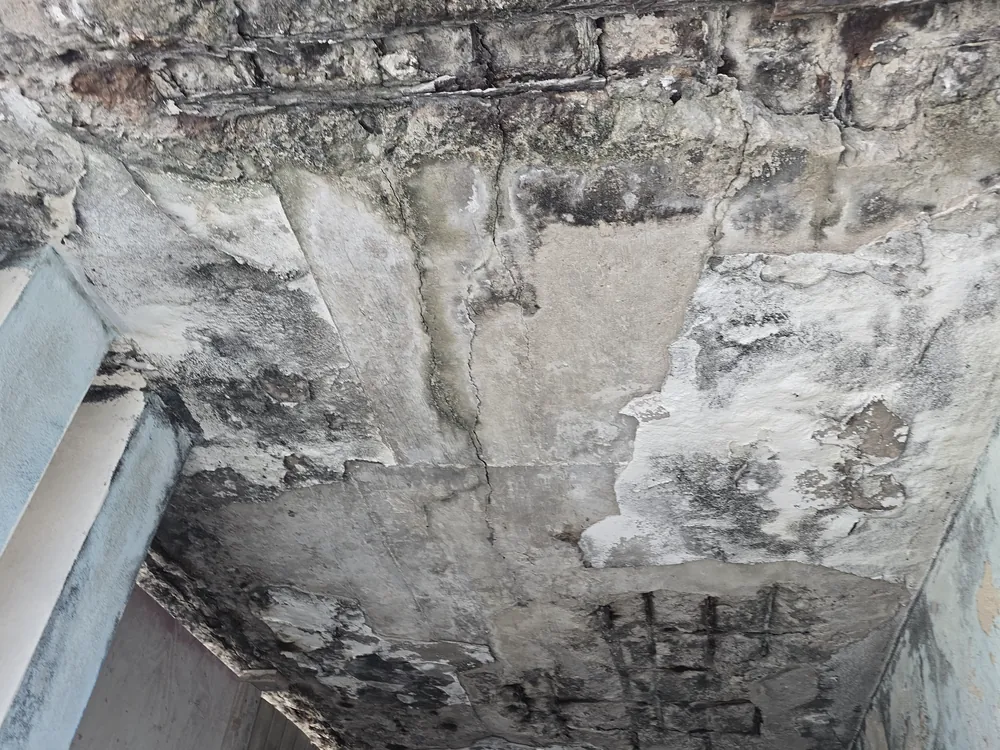
roof-to-wall · uplift · techoWhat the water is doing to the structure: the corrosion and decay behind finishes, not the cosmetic stain on the surface.
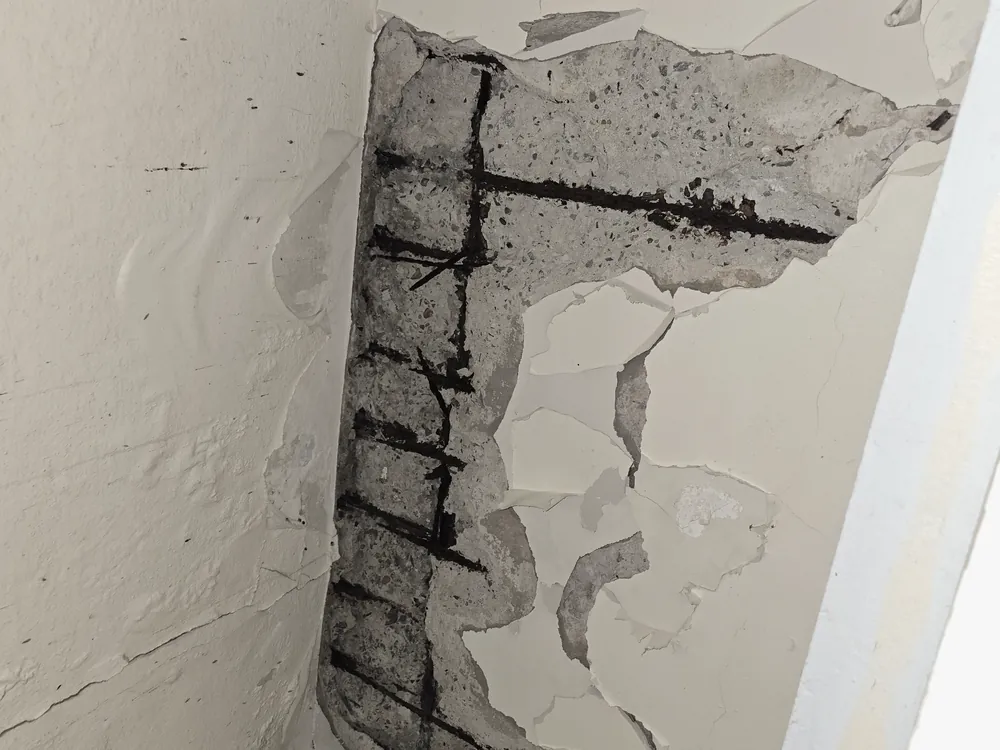
mold · humedad · goteraSpalling concrete and corroding reinforcement, where the section is quietly losing the strength it was built with.
spalling · rebar · corrosiónFEMA flood zone, base flood elevation, and storm-surge reality, and what they mean for a claim, insurance, and how you rebuild.
flood zone · zona inundableWhat a structural read surfaces
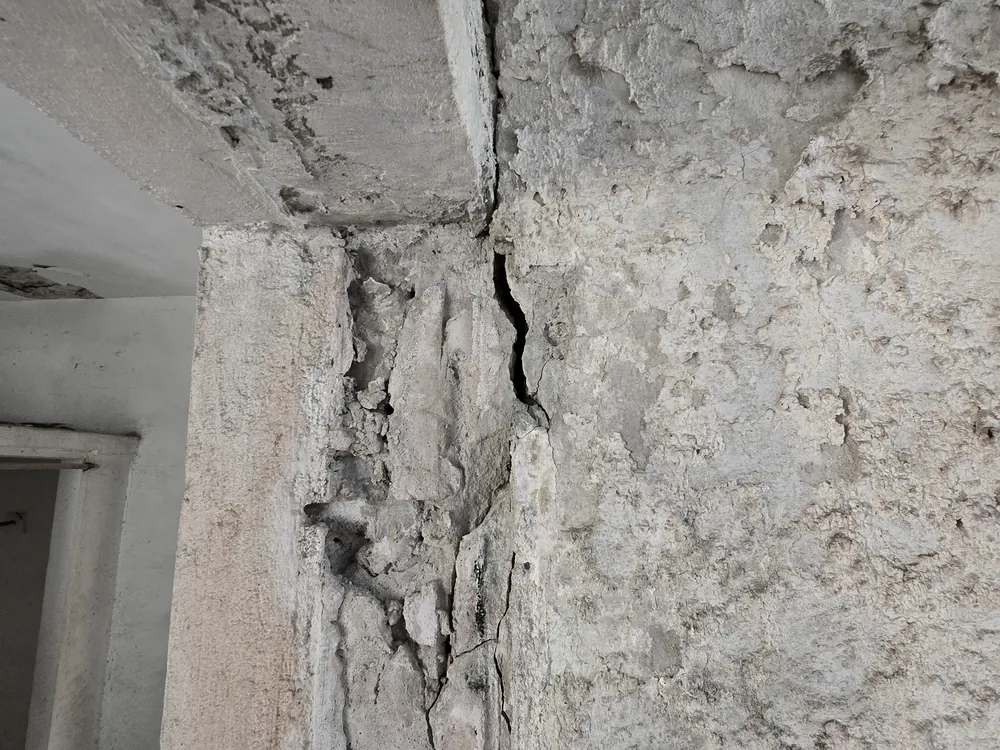
These are the kinds of conditions a structural read surfaces when a cosmetic fix would have buried them.
Filing with your carrier?
We document the structural condition to a licensed standard so the finding stands on its own, with your insurance carrier and for FEMA. We are independent of any broker, seller, adjuster, or contractor: we give you the engineering verdict, and your adjuster and contractor handle the cost and the repair. That independence is what makes the document worth filing.
If your claim is contested or undervalued, the signed PE report is the kind of independent structural evidence a public adjuster or attorney can build on. We give you the finding; if you choose to bring one in, it stands behind you.
Bring your claim deadline. We document to the standard, not to a number.
Who stands behind it
Your report is not a committee opinion. It is the read of one accountable Puerto Rico engineer who stamps within his scope, so the document holds up where it counts: with a carrier, with FEMA, with a lender.
The accountable engineer
Every finding in your assessment is one I will put my seal to. That is the difference between an opinion and accountable engineering.
 Edgardo L. Santiago Martínez, PE Chief Engineering Officer · PE Lic. #12474, CIAPR
 FAQ
Still deciding? Ask us directly, no obligation, and you hear back within one business day.
No. We give an engineering judgment: go, conditions, or no-go on whether the structure is sound. The repair cost is a separate trade. We tell you what the structure can carry, not what the fix will cost.
No. A home inspection is a generalist, separately-licensed service. This is a Structural Engineering Visual Assessment by a CIAPR-licensed Puerto Rico PE: the engineering read a home inspection is not licensed to give.
It depends on where it is and what it runs through. A crack at a beam-column joint, where load concentrates, asks a different question than a hairline in a finish. We assess it and tell you straight.
Yes. We assess and document the structural condition to a licensed standard so the finding holds up with your carrier. The claim and the repair cost stay with your adjuster and contractor. We stay independent of both.
We assess what the water and moisture are doing to the structure: corrosion of reinforcement, decay, and the conditions behind sound-looking finishes. Remediation itself is a separate trade we can point you toward.
The 2018 Puerto Rico Building Code applies ASCE 7 wind provisions, and Puerto Rico is a Special Wind Region: there is no island-wide design wind speed. The code sets it by municipality microzone map, so it is a site-specific value the engineer reads for your exact property. The island is also seismically active, and older buildings may predate current provisions, which changes how we judge the damage.
Yes. We run the on-site assessment locally and report to you wherever you are. Drone documentation covers the roof and facade where access is unsafe to reach on foot.
A written engineering read: go, conditions, or no-go, with the basis for each finding, so you can act, file, or plan on facts instead of fear. It is an engineering opinion on whether the structure is sound, not a repair-cost estimate.
A repaint hides the crack. A licensed read answers it.
Related services
Structural
When the damage read raises a deeper question, the full structural verdict and, where needed, the sealed design to put it right.
Documentation
Drone evidence of the roof and facade where access is unsafe after a storm, feeding the assessment and your claim file.
Before you buy
Buying a property that took past damage? The same licensed read, run before you close, so you act on facts not surprises.
Read first Going deeper on the risk itself? Start with hurricane and earthquake safety for a home in Puerto Rico, or check whether the site sits in a FEMA flood zone. For the permit side of a rebuild, see permitting and code compliance.
Get the verdict
A few details and your deadline. We reply within one business day, in writing, with next steps.
Direct channels
One-business-day response standard. Reach us by any channel and you hear back within one business day, every time.
Not sure it is structural?
That uncertainty is exactly what the read resolves. The fastest answer is a short, no-obligation call: tell us what you are seeing.